Assembly and shared workstations
Keep the shared workstation genuinely collaborative.
Targeted guarding and integrated protective systems for cobot screwdriving, pressing, insertion, dispensing, kitting and component-transfer applications.
Direct answer
Can a cobot assembly station run without a full fence?
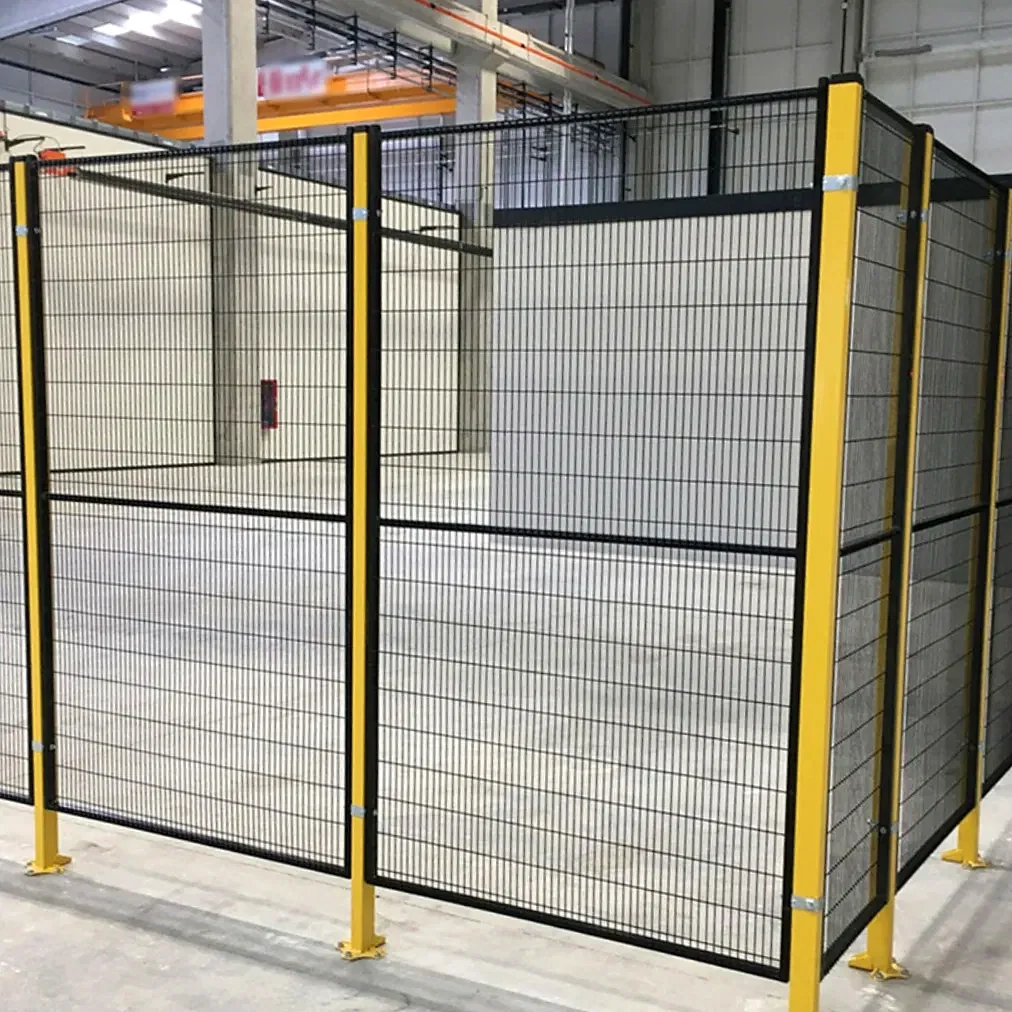
Sometimes, but the arm is only one part of the decision. Screwdriver bits, presses, fixtures, dispensers, sharp components, stored energy and hand placement can create local hazards. Targeted guards or monitored zones can isolate those points while preserving access to a lower-risk shared area.
Reviewed by Oxford Machine Guarding technical team · 2026-09-01
Map the hand, tool and component together.
Assembly applications often put an operator close to fixtures and presentation points, so small geometry changes can materially change the risk.
Tool tip and motion
Review screwdriver, riveter, dispenser, press, insertion tool or other process device for puncture, rotation, pressure and heat.
Fixture trapping
Identify crush and shear points between robot, tool, component, nest, clamp, bench and surrounding structures.
Operator hand position
Observe loading, alignment, quality checks and part removal—not only the intended automatic path.
Component presentation
Bowls, trays, feeders, slides and hand-off points can add movement and access hazards outside the robot arm.
Stored and released energy
Torque reaction, springs, pressure, adhesives, fasteners and dropped parts need defined fault and isolation behaviour.
Variant and tool change
Different products, bits, fixtures or robot programmes can alter reach, force, speed and accessible contact points.
Separate the hazardous point, not necessarily the whole station.
A compact application can combine inherently safer design, local physical protection, controlled modes and safety-rated sensing.
Review end-effector hazardsDesign around the operator’s real sequence.
Observe where the person stands, which hand presents the component, how alignment is checked, where rejects go and what happens when a fastener, part or tool jams.
Load
Component presentation and hand position.
Process
Tool motion, reaction, force and local hazards.
Inspect
Quality checks, rejects and repeated access.
Recover
Jams, misfeeds, tool faults and manual release.
Change
Variants, fixtures, tooling and programme control.
Show the workstation from the operator’s side.
Photographs or a short video of the manual process can reveal hand position, component orientation and recovery tasks that are difficult to infer from a robot layout alone.
- Robot and tool make and model
- Part, fixture and variant drawings
- Torque, force, pressure or dispensing process
- Target cycle and operator work content
- Loading, inspection, reject and recovery tasks
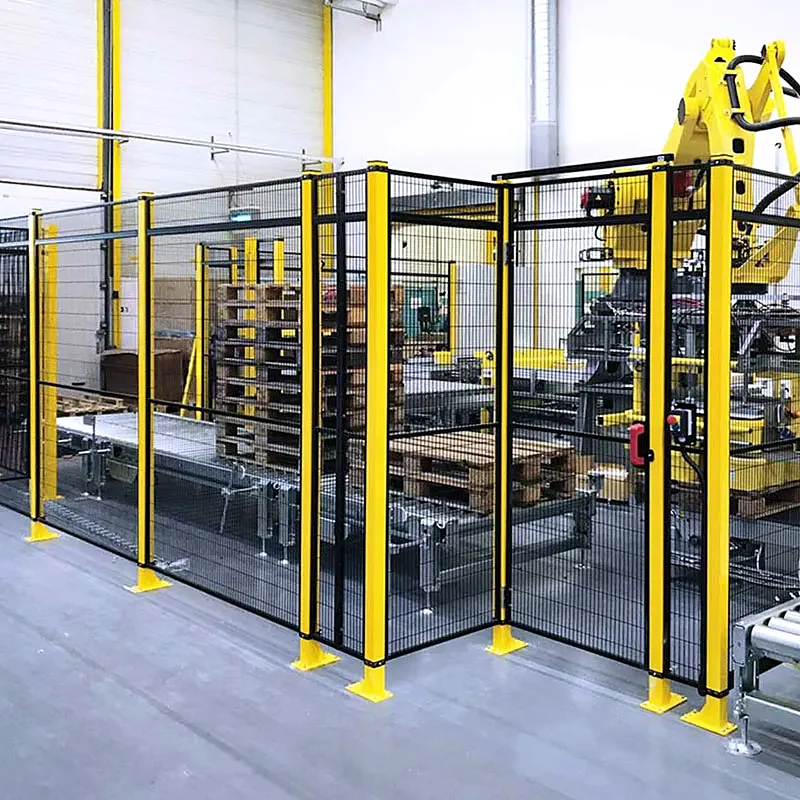 Targeted controlLocal guarding can preserve access elsewhere.
Use current sources and application-specific evidence.
This page is general project-planning information, not a substitute for a machine-specific risk assessment, legal advice or verification by the responsible dutyholder. Relevant standards, British adoptions and the legal route should be confirmed for the actual supply or modification.
HSE: introduction to machinery safety · ISO 10218-2:2025: industrial robot applications and robot cells · ISO/TR 20218-1:2018: safety design for robot end-effectors
Questions for shared workstations.
It may. The bit, fastener, torque reaction, fixture, robot path and operator hand position can create puncture, trapping or other hazards that need local or wider protection.
Potentially, where the application is designed and validated for that shared task. The workstation, tool, fixture, robot limits and sensing must support the intended interaction.
Yes, where a local guard adequately isolates the fixture or tool hazard and the remaining robot and workstation risks are also controlled.
Review the assessment when the component, fixture, tool, payload, programme, speed, operator task or workstation layout changes the validated safety assumptions.
Protect the human task
Share the workstation, tool, part and operator sequence.
We can help define targeted guarding, access, presence sensing and safety-control requirements around the complete assembly application.