Budget and project planning
What determines cobot guarding cost?
A reliable price starts with the hazards, boundary, access points, protective devices, control interfaces, installation constraints and evidence required—not a catalogue panel price.
Direct answer
A useful price follows a defined safeguarding concept.
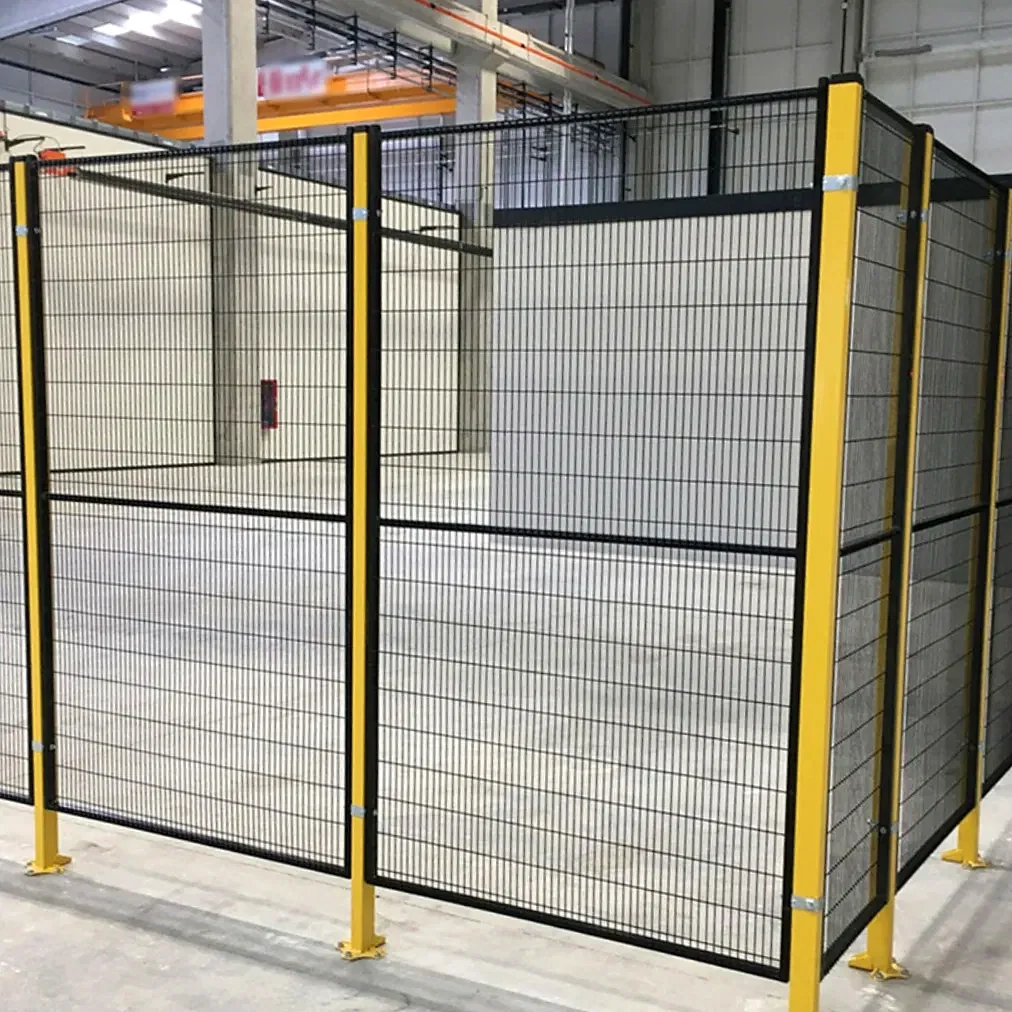
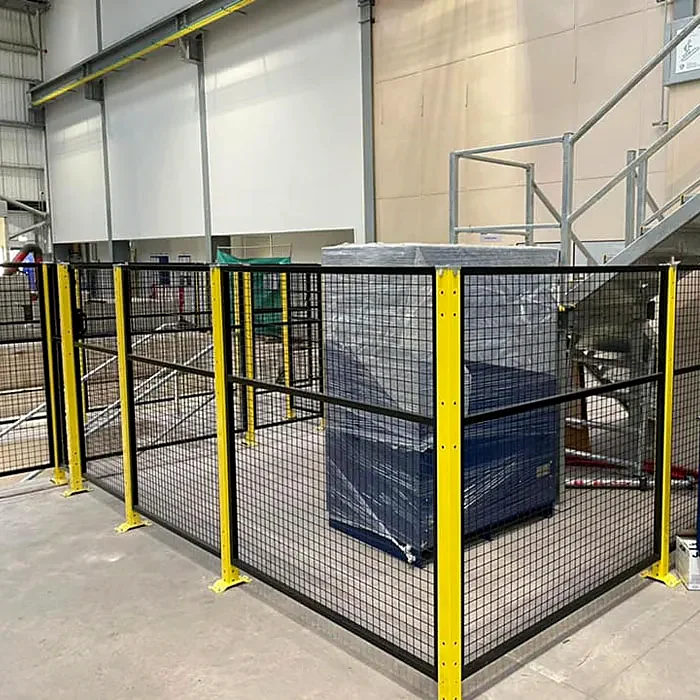
Cobot guarding cost is shaped by the physical boundary, number and type of access points, presence-sensing devices, safety-control changes, interfaces with other machinery, site installation, functional testing and documentation. A small local guard is a different project from a complete interlocked cell.
Reviewed by Oxford Machine Guarding technical team · 2026-09-01
What changes the project scope.
The strongest quotations resolve equipment and engineering together so competing proposals cover the same boundary.
Cell footprint
Guard length, height, corners, floor condition, robot reach, containment and separation from neighbouring work.
Guard material
Mesh, polycarbonate, solid sheet, specialist screening, finish, hygiene and environmental requirements.
Access points
Routine doors, guard locking, maintenance sections, escape considerations and product or pallet openings.
Protective devices
Laser scanners, light curtains, interlocks, emergency stops, reset stations, mounting and diagnostics.
Safety controls
Existing-controller condition, interfaces, safety-relay or safety-PLC scope, wiring, programming and evidence.
Site and handover
Travel, shutdown, access equipment, cable routes, permits, commissioning, testing, drawings and records.
Compare complete systems, not loose components.
Less physical material does not necessarily mean lower total cost. Open access can move complexity into sensing, controls, space and validation.
Use the guarding decision guideEight inputs reduce pricing assumptions.
Provide the robot model, controller, tool, product, payload, process, speeds, layout, access tasks, existing safety hardware, connected equipment, location and project timing. State whether you need design, manufacture, installation, controls, validation or a defined combination.
Model, reach, payload and end-effector details.
Drawing, photographs and available floor space.
Loading, teaching, recovery, cleaning and service.
Devices, controller, interfaces and known stopping data.
Location, shutdown, access and installation window.
Drawings, tests, records and project boundaries.
Guarding must still work during real production.
A low initial figure can become expensive when the design blocks changeover, prevents cleaning, creates a restart problem or excludes the control integration needed to make the protection functional.
- Define ownership between supplier, integrator and end user
- Include routine and non-routine access tasks
- Plan future product and tooling variants
- Agree installation and production shutdown assumptions
- State testing and handover records explicitly
 Whole-project valueClear scope makes supplier comparisons meaningful.
Use current sources and application-specific evidence.
This page is general project-planning information, not a substitute for a machine-specific risk assessment, legal advice or verification by the responsible dutyholder. Relevant standards, British adoptions and the legal route should be confirmed for the actual supply or modification.
HSE: introduction to machinery safety · ISO 10218-2:2025: industrial robot applications and robot cells · ISO 13855:2024: positioning and dimensioning safeguards
Answers before you request prices.
A reliable price needs an application-specific scope. Cost depends on the footprint, hazards, materials, access points, devices, control integration, site work, testing and records required.
Not automatically. A scanner may reduce panels but needs suitable space, stopping performance, field geometry, configuration, safety-control integration and testing.
Provide the robot, tool, payload, process, layout, photographs, speeds, access tasks, connected equipment, location, project stage and required deliverables.
Potentially. Immediate risk-reduction work and planned shutdown modifications can be separated where the assessment, temporary arrangements and project responsibilities support that route.
Build a useful project scope
Share the application, layout and required boundary.
We will help identify the survey, guarding, device, controls and handover information needed for a reliable proposal.