Packaging and material handling
Protect product flow without creating a bottleneck.
Guarding and protective systems for cobots loading, unloading, case packing, tray handling, sorting, inspecting and transferring products between packaging machines.
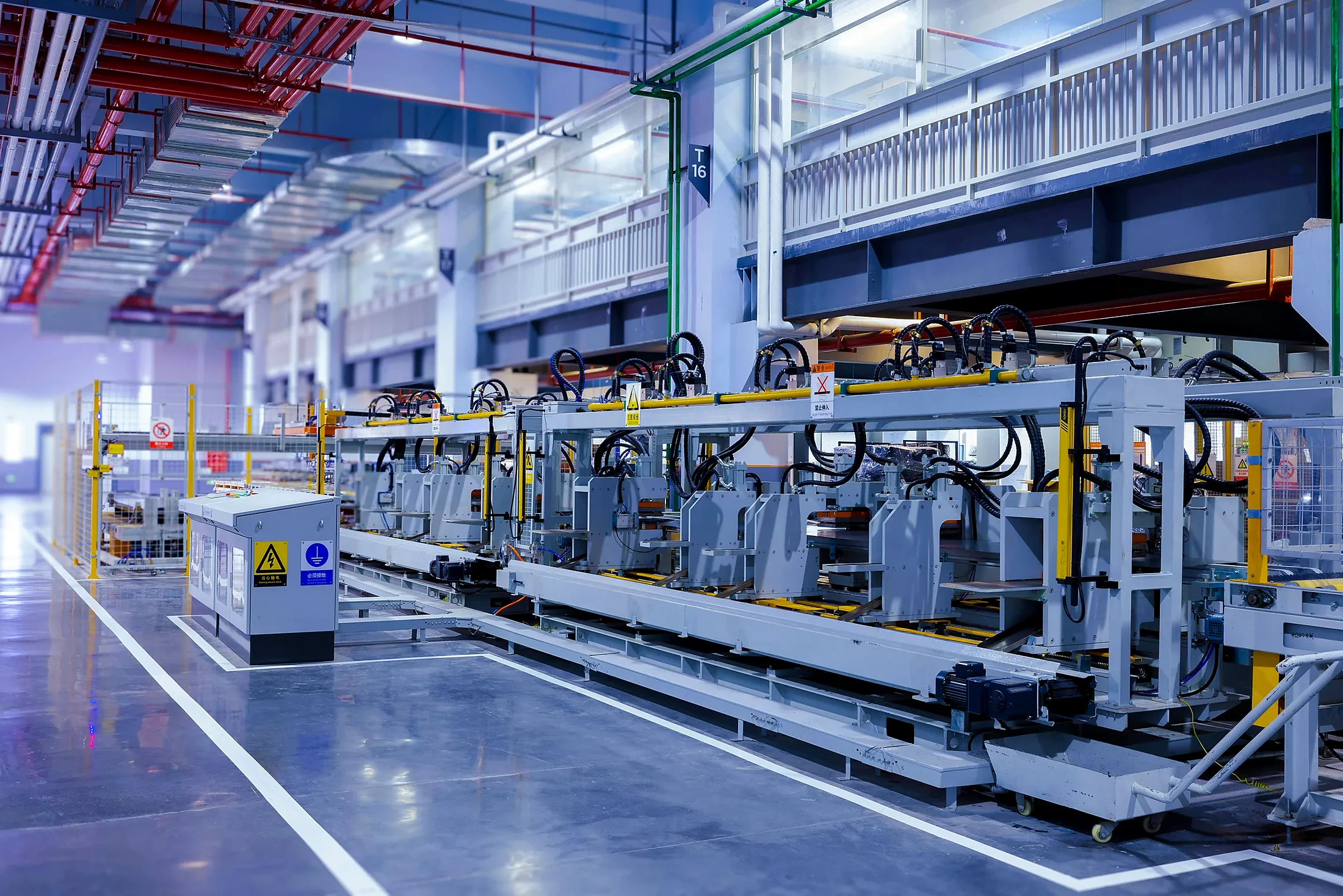
Direct answer
What makes a cobot packaging cell hazardous?
The risk often comes from the complete line: gripper and payload, conveyor nip points, machine openings, rejected product, case or tray movement, high-frequency access and unexpected restart. The safeguard must protect those interfaces while allowing replenishment, changeover, cleaning and recovery.
Reviewed by Oxford Machine Guarding technical team · 2026-09-01
Assess every transfer and intervention point.
Fast product flow and frequent access make packaging cells a strong candidate for combined physical guarding and presence sensing.
Infeed and discharge
Conveyor openings, reach routes, nip points and transfer gaps can provide access to robot or machine hazards.
End effector and pack
Vacuum loss, clamps, sharp packaging, unstable trays and dropped cases change the contact and containment problem.
Replenishment
Cartons, trays, labels, film and components may need frequent loading at points close to automated movement.
Reject and jam recovery
Blocked products and reject stations draw hands into areas that are not entered during normal production.
Connected machines
Fillers, sealers, labellers, coders and case equipment need coordinated safe states at shared interfaces.
Cleaning and changeover
Hygiene, washdown, product variants, tool changes and maintenance determine panel materials and access design.
Keep access deliberate and product flow controlled.
The agreed safety functions should cover upstream and downstream interfaces, not stop at the cobot controller boundary.
Review gripper and payload safetySafeguarding should support the full shift.
Map routine product replenishment, format changes, inspection, rejected pack removal and cleaning during concept design. If legitimate tasks are awkward, people are more likely to create workarounds later.
Peak rate, accumulation and stop consequences.
Minimum and maximum products, cases and trays.
Who enters, where, why and for how long.
Materials, cleanability and contamination controls.
Conveyors, machines, signals and reject handling.
Jam, dropped product and restart sequence.
Send the product route and intervention map.
Provide the robot, gripper, products, throughput, conveyor layout, machine interfaces, access tasks, hygiene requirements and production window. Video of a cycle or existing manual process can clarify the practical sequence.
- Product and packaging dimensions and mass
- Maximum rate and accumulation behaviour
- Operator replenishment and reject tasks
- Line control and emergency-stop interfaces
- Cleaning and format-change requirements
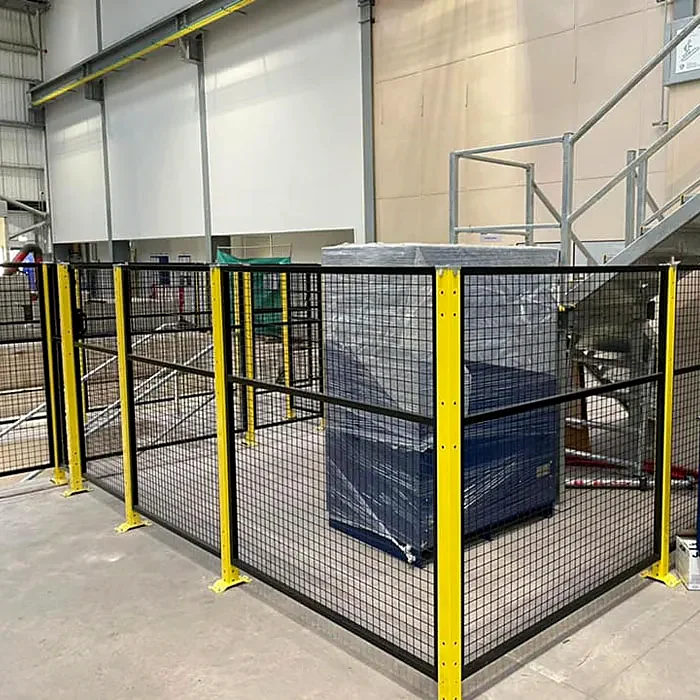 Production-ledProtect access without blocking the pack route.
Use current sources and application-specific evidence.
This page is general project-planning information, not a substitute for a machine-specific risk assessment, legal advice or verification by the responsible dutyholder. Relevant standards, British adoptions and the legal route should be confirmed for the actual supply or modification.
HSE: introduction to machinery safety · ISO 10218-2:2025: industrial robot applications and robot cells · ISO 13855:2024: positioning and dimensioning safeguards
Answers for fast-moving product flow.
It may. The answer depends on the gripper, product, speed, path, trapping points, connected machinery and how people load, clear or service the application.
The design considers opening geometry, reach, product flow, protective devices, tunnels or local guards and the safety response needed if a person approaches or enters.
Potentially, where protective distance, access geometry, stopping performance, muting or blanking requirements, reset and restart are properly designed and tested.
Yes. A retrofit review can examine the robot, packaging equipment, conveyors, controls, access and production constraints before a proportionate upgrade is developed.
Plan the complete transfer
Share the line layout, product, rate and access tasks.
We can help define the guarding, openings, protective devices and control-integration scope for a new or existing packaging cell.